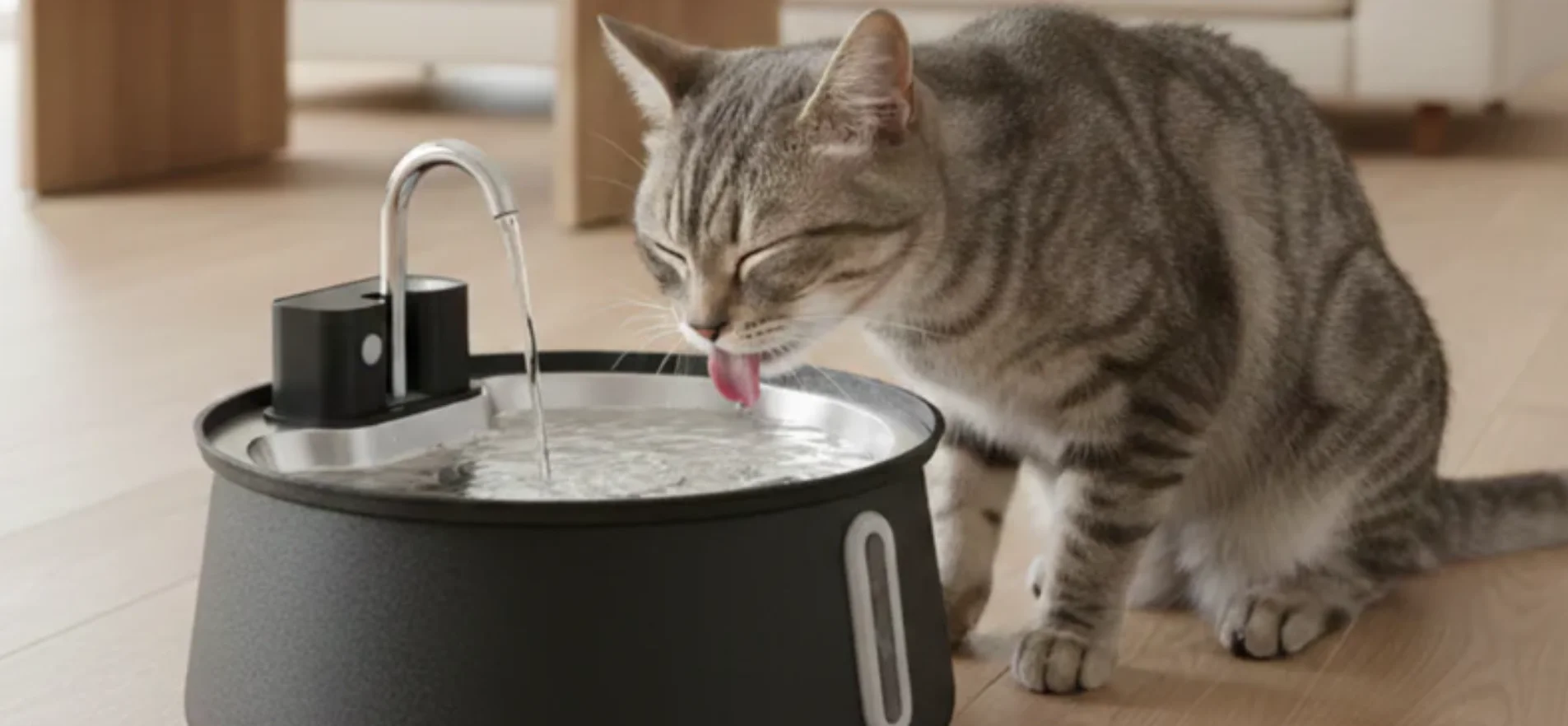
The Surprising Science Behind Why Cats Prefer Running Water And Ignore Their Bowl
This guide explores the science behind that behaviour and explains what it could mean for your cat's daily hydration.
All featured products are selected by our editors and may include affiliate links. If you purchase through these links, we may earn a commission.
A cat walking past a full water bowl only to wait beside a dripping tap is a scene many people know well. While it may seem like a strange preference, science suggests there are several reasons behind this behaviour.
Cats are tuned to little signs we humans miss, whether it’s instinct, sensory awareness, bowl design or water freshness. Knowing these things can help you to get your cat to drink more water so they can be hydrated and healthy.
Why Still Water Does Not Always Appeal To Cats
Unlike humans, cats rely heavily on their senses when deciding whether something is safe. Their ancestors survived in environments where stagnant water could contain bacteria or other contaminants, while flowing water was generally cleaner. Although domestic cats no longer face the same conditions, many behaviour specialists believe this instinct has remained.
Another reason is the freshness. Water left out all day will slowly accumulate dust, dirt, food particles and smells that people may not even notice. Cats have a very sensitive sense of smell and are significantly more likely to perceive these changes and lose interest in the bowl for drinking.
Water temperature can also be related to drinking habits. In warm weather fresh running water is generally cooler than water that has been hanging about for hours. Generally cooler water is more inviting and perhaps invites a longer time of drinking.
The Science Behind Running Water
Drinking behavior in cats has been researched for decades and there is no single explanation that fits all cats, but several patterns have been observed repeatedly.
Flowing water creates gentle movement that reflects light differently from a still surface, making it easier for cats to recognise where the water begins. The sound of moving water also acts as an additional cue that attracts curiosity and encourages investigation.
There have been scientific studies looking at water fountains and these have revealed that many cats will willingly increase their water intake when running water is provided.
Researchers say that people may vary a lot in their own tastes, at the same time. Some cats immediately prefer running water, others still drink happily from a regular bowl. Just a heads-up that hydration solutions need to be adapted to each cat, not everyone responds the same way to everything.
Why Faucets Fascinate So Many Cats
Cat Drinking From Faucet Taps One of the Most Searched Questions Online They see their cat sitting quietly at the kitchen sink or bathroom basin and they think about getting a fountain.
There are comparable experiences posted on Quora and Reddit. Some say cats get used to home routines, coming when they hear a tap being turned on.
Others report cats who won’t drink fresh water in a bowl but then happily lap water from the sink moments later. Anecdotal reports, but reflective of behaviours commonly seen by veterinarians in clinical practice.
Water in motion appeals to more than one sense at the same time. Cats can see it, hear it and occasionally even feel faint vibrations of the stream. The combined signals often make a moving stream much more interesting than a still bowl.
Small Details Can Make A Big Difference
Hydration is not always about the water itself. Sometimes the bowl or its location discourages drinking.
Whiskers are packed with sensitive nerve endings that help cats judge space and movement. Deep, narrow bowls can repeatedly press against these whiskers while a cat drinks, creating discomfort commonly known as whisker fatigue. Choosing a wider and shallower bowl often solves a problem that people never realised existed.
Placement is equally important. Veterinary doctors often recommend that water bowls should not be placed near litter trays and feeding dishes. In nature food and water are rarely side by side and many cats still display this similar choice indoors.
Cleanliness has a bigger influence than you might think, too. Biofilm can begin to build within bowls remarkably fast, especially if the plastic is scratched. Washing often helps keep the water fresher and remove any odors that can put you off drinking it.
Can An Automatic Drinking Fountain Help
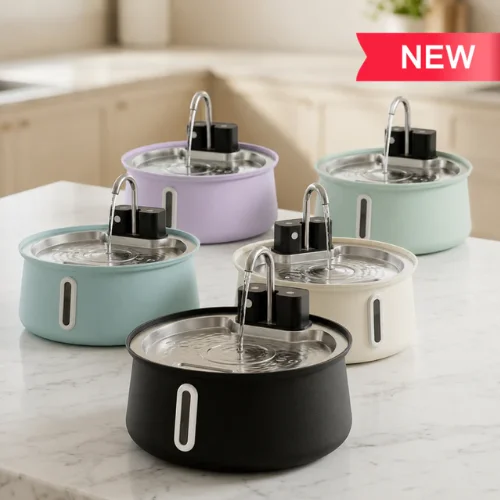
An Automatic Drinking Fountain can address several of the reasons cats avoid drinking enough water, but it should never be viewed as a guaranteed solution.
Many fountains keep water circulating throughout the day, helping maintain freshness while filtering hair, dust, and other debris. Quiet operation is equally important because loud pumps may discourage timid cats from approaching.
The material merits notice too. Stainless steel is easier to maintain than plastic usually and is less likely to scratch where bacteria can grow. Add in regular maintenance and timely filter replacement and you have a cleaner drinking environment that many cats seem to like.
The best thing to do is to slowly introduce a fountain instead of just swap all the water bowls overnight. Keeping both alternatives open lets cats take their time exploring the new drinking source, without the pressure of change.
Other Ways To Encourage Better Hydration
A fountain is only one part of improving water intake. Several small adjustments can make an equally meaningful difference.
-
Refresh drinking water at least once every day.
-
Place water stations throughout the home.
-
Give wet food when you can as it has more moisture naturally.
-
Wash dishes often to remove residue and smells.
-
Try different bowl materials, shapes and sizes and see what everyone prefers.
-
Observe where your cat naturally chooses to drink before deciding on permanent placement.
Simple changes often work best because they respect the cat's natural behaviour instead of trying to change it completely.
Frequently Asked Questions
Do All Cats Prefer Running Water?
No. Many cats like circulating water but others are perfectly happy drinking from a regular bowl. It depends on the person and his or her personality, age, health, and past experiences.
Why Does My Cat Ignore A Full Water Bowl?
The bowl can be too low, or the water might not appear fresh, or it might be in an awkward location. And other cats prefer running water, just because it stimulates a lot of their senses at once.
How Can I Make My Cat Drink More Water?
If you are wondering How To Make A Cat Drink More Water, start with fresh water, multiple drinking stations, clean bowls, and wider containers that reduce whisker contact. If your cat is still not drinking much you should get him checked out by a professional to rule out any underlying health conditions.
Can dehydration affect a cat's health?
Yes. Not drinking enough water might cause long term urinary and renal problems. One of the easiest things you can do to help your cat remain healthy in the long run is to encourage regular hydration.
So, Why Do Cats Prefer Running Water? It’s more than just a strange habit. It is all about instincts, sensory awareness and environmental elements that have driven cats for thousands of years. If you are thinking that a water fountain would help you to stay better hydrated, then you might want to check out KittySpout, which is all about clean, flowing water and practical design.
Before placing an order, it is also worth checking for available KittySpout Promo Codes, which may help you save on your purchase.
Follow TryDealsNow and stay updated with our latest articles to help your pets live healthier and happier lives.
RELATED BLOGS
-
A Hard Lesson in Pet Care, So You Don’t Make the Same Mistake
Being a pet owner isn’t easy. One of the biggest decisions is putting your trust in a supplement, and that’s not something to take lightly. One brand you can trust is Animigo. They’ve built a solid reputation, and their products truly live up to the hype. In this blog, I’m sharing a personal story that explains why I believe Animigo is a trustworthy choice for pet care.View -
The Best Bradshaws Direct UK Discount Codes Of 2023
Bradshaws Direct UK is the store that provides the best pet products; this is the best and major pet supply that markets its products and services at Bradshaws Direct.co.uk.View -

Shop for Your Lovely Pet Dogs with BarkShop
How much do you like your dog? If so, you should do everything possible to provide him the best food, toys and other high quality items to be happy and full. But the real challenge is searching a suitable website where you can buy all the most wanted products for your pet and Barkshop is here to finish your search. Buy fabulous products at incredible prices with the Barkshop coupon.View -
Save on pet supplies when you shop at Chewy
We love our pets and, of course, we like to save money. One of our favorite places to buy all our essential items for dogs and kittens is online in Chewy. This is the ideal food store for your pets. The store was created by an enthusiastic and loving team that wanted to create a one-stop-shop for all the right foods, accessories and treats for patients. The team launched the idea of a store for people who care about the health and growth of their pets. That`s why the store is dedicated to providing fresh and healthy food to pets such as dogs, cats, fish, birds, and reptiles. The headquarters are located in Florida, while warehouses are scattered throughout the United States to ensure fast and fresh supply of fresh products to customers. The store has employed hundreds of workers in all its centers and this number increases with the growth of the company. The store offers high-quality animal brands to buy.View